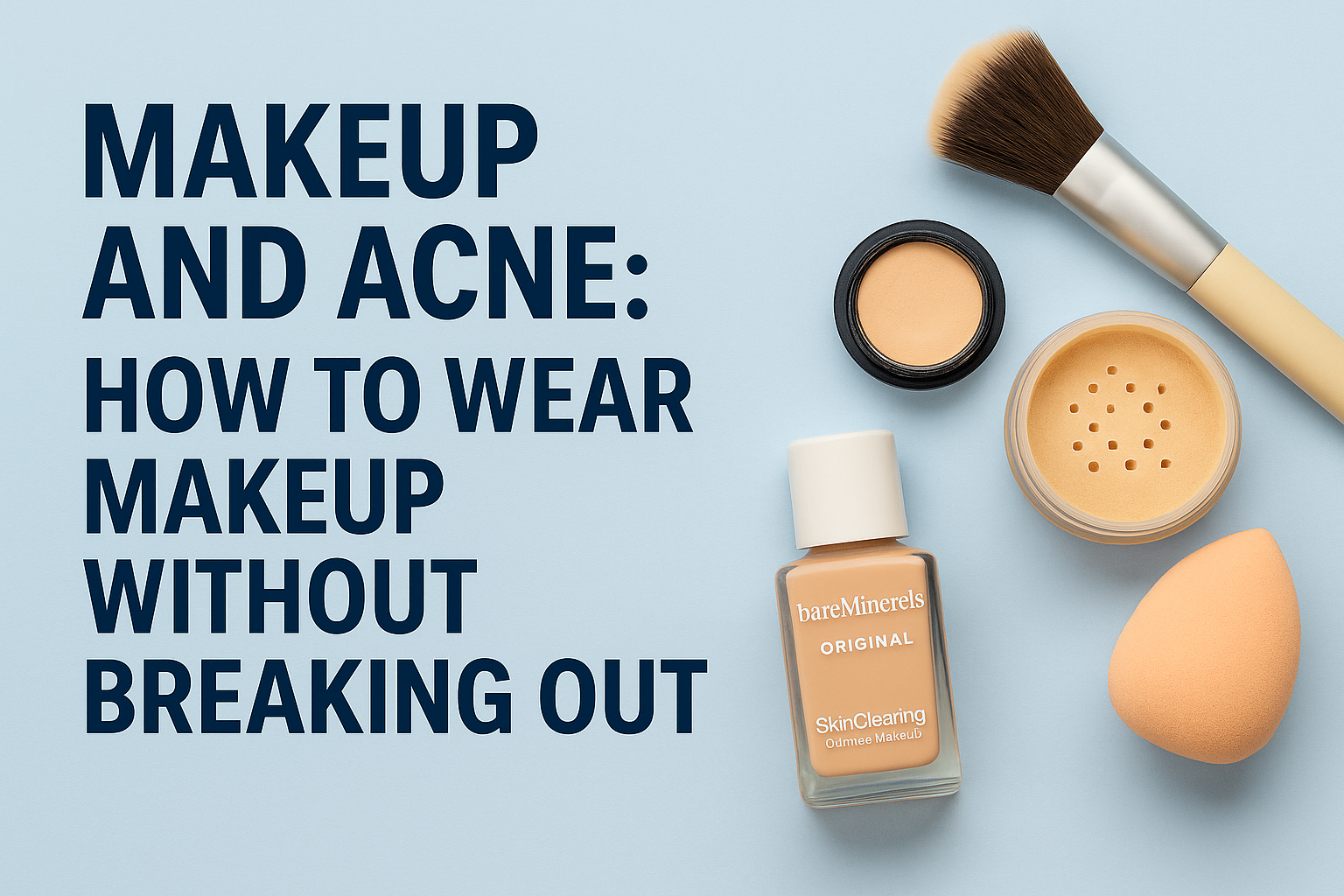
Makeup and Acne: How to Wear Makeup Without Breaking Out
Makeup can be SO fun. Whether it’s for school, an event, a game, or just because, it lets you express yourself and boost your confidence. And yes—you can wear makeup even if you have acne, without making breakouts worse. Here’s exactly how.
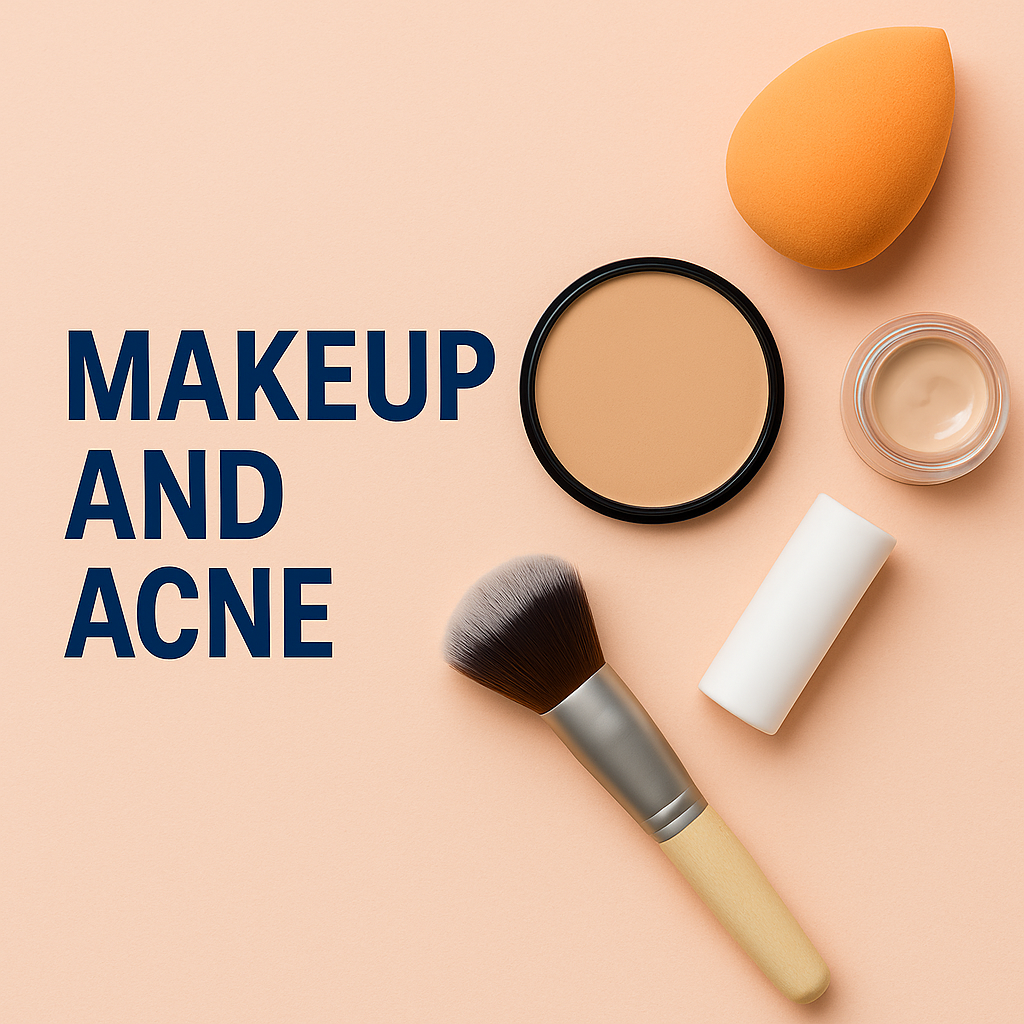
Makeup and Acne: Why Breakouts Happen
First of all: acne is not a sign that you’re dirty or doing everything wrong. It’s super common, especially for teens, and it usually comes from a mix of:
- Oil (sebum): Your skin makes more oil during puberty.
- Dead skin cells: These can get stuck inside pores.
- Bacteria: Trapped in the pore with oil and dead cells.
- Inflammation: Your skin reacts → pimple.
- Hormones, stress, sweat: All can add fuel to the fire.
Makeup by itself doesn’t automatically “cause” acne. But the wrong kind of makeup—or wearing it the wrong way—can clog pores, irritate skin, and make breakouts harder to control.
The goal of this guide is simple: help you wear makeup in a way that keeps your skin as calm and clear as possible.
Makeup and Acne Prep: Get Your Skin Ready
Good makeup starts with good skin prep. If your skin is dry, irritated, or not clean, makeup will sit badly and your breakouts may get worse.
1. Cleanse (gently!)
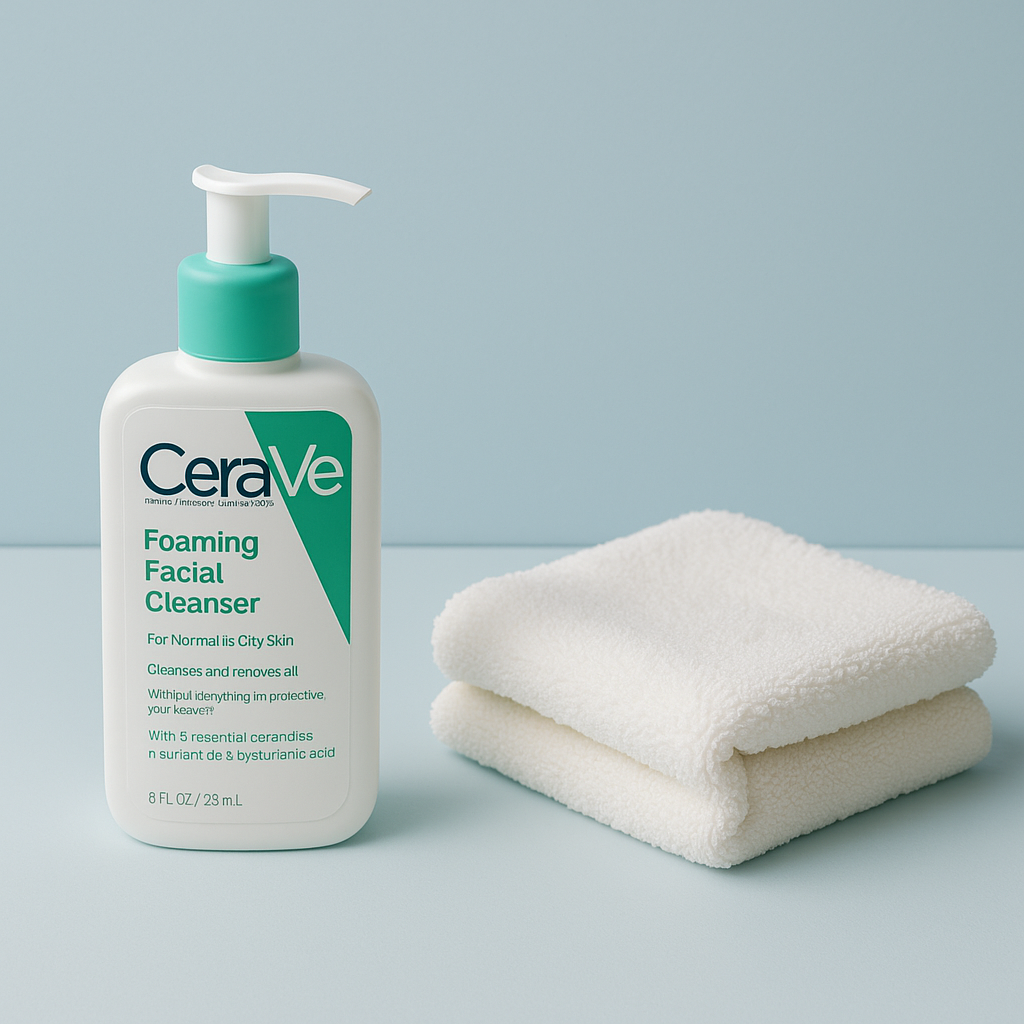
Wash your face with a gentle, fragrance-free cleanser. No harsh scrubs. No burning or stinging.
Aim to cleanse for about 20–30 seconds, rinse with lukewarm water, and pat dry with a clean towel (don’t rub).
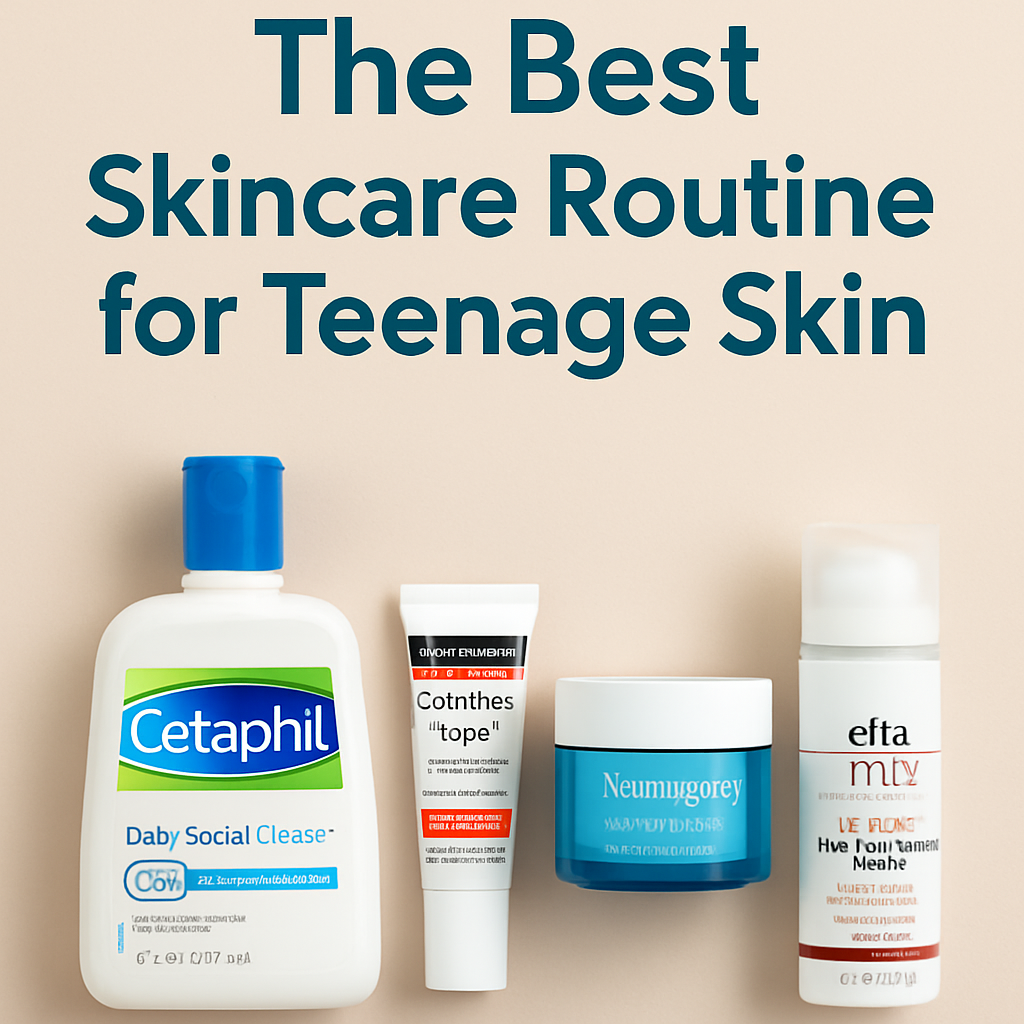
- CeraVe Foaming Facial Cleanser – great for normal to oily teen skin.
- La Roche-Posay Toleriane Hydrating Gentle Cleanser – nice for normal to dry or sensitive skin.
2. Moisturize (YES, even if you’re oily)
This step is a must. When your skin gets too dry, it often produces more oil to compensate, which can lead to clogged pores and makeup separating on your face.
Pick a lightweight, oil-free, non-comedogenic moisturizer (that means “won’t clog pores”).
- Neutrogena Hydro Boost Water Gel – lightweight and great under makeup.
- CeraVe PM Facial Moisturizing Lotion – soothing and barrier-friendly.
3. Sunscreen (if it’s daytime)
SPF = your future-skin best friend. Makeup does not replace sunscreen. Use a broad-spectrum SPF that is non-comedogenic and sits nicely under makeup.
- EltaMD UV Clear SPF 46 – great for acne-prone and sensitive skin.
- La Roche-Posay Anthelios Melt-in Milk SPF 60 – hydrating, high-protection option.
Let your SPF dry for 1–2 minutes before you put makeup on top so it doesn’t pill or slide around.
Best Makeup for Acne-Prone Skin
When it comes to makeup and acne, the products you pick make a huge difference. For acne-prone skin, look for labels like:
- Non-comedogenic (won’t clog pores)
- Oil-free
- Fragrance-free or “for sensitive skin”
- Dermatologist-tested
- Mineral-based (for some powders)
1. Primer (optional but helpful)
A primer isn’t required, but a light, tacky, fragrance-free one can help smooth texture and keep your foundation from sinking into pores or sliding off during the day.
- e.l.f. Power Grip Primer (Fragrance-Free) – great gripping base for makeup.
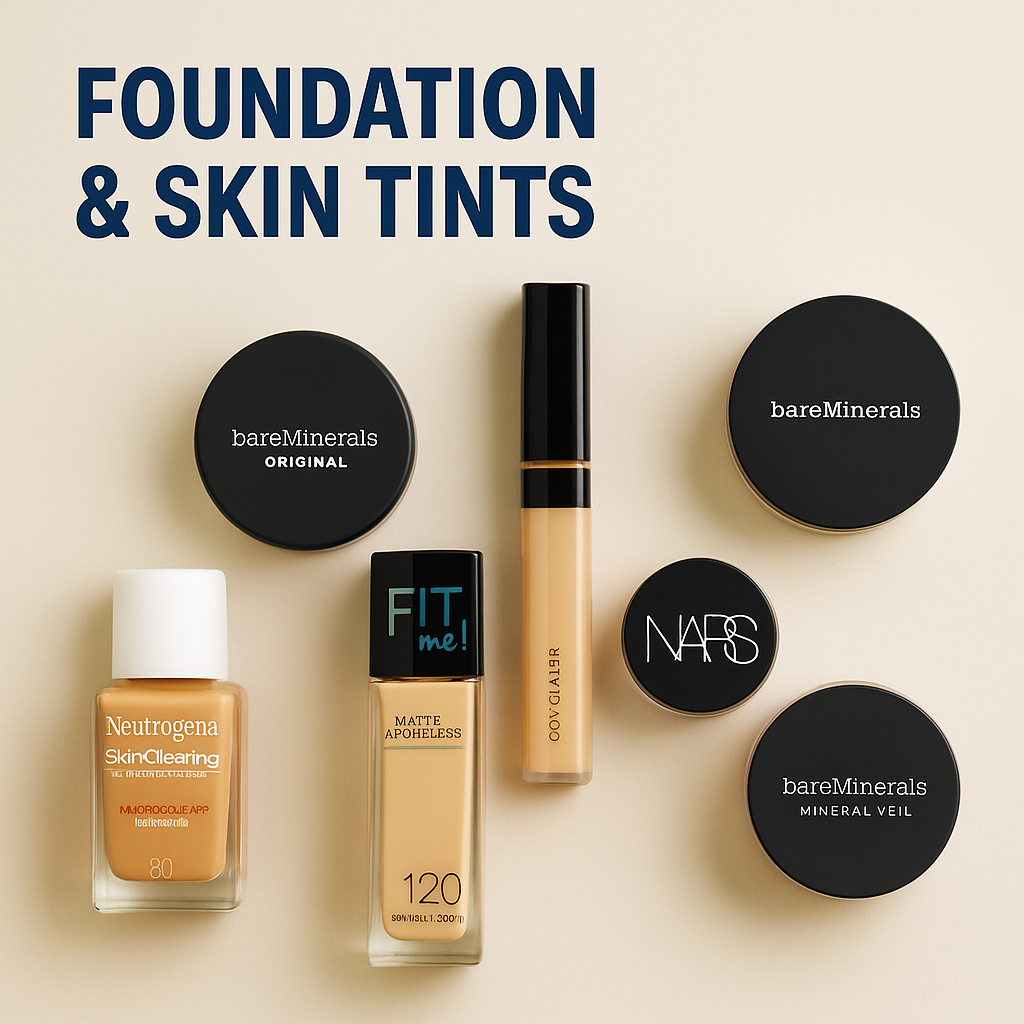
2. Foundations & Skin Tints for Makeup and Acne
Here are some acne-friendly foundation styles:
- Mineral powder foundation: Breathable, good for oily and sensitive skin.
- Oil-free liquid foundation: Nice if you want a bit more coverage.
- Skin tints / tinted moisturizers: Sheer, everyday option when you don’t need full glam.
- Neutrogena SkinClearing Oil-Free Makeup – light coverage plus acne-fighting salicylic acid.
- bareMinerals Original Loose Powder Foundation – classic mineral option, very breathable.
- Maybelline Fit Me Matte + Poreless Foundation – budget-friendly, good for normal to oily skin.
3. Concealers
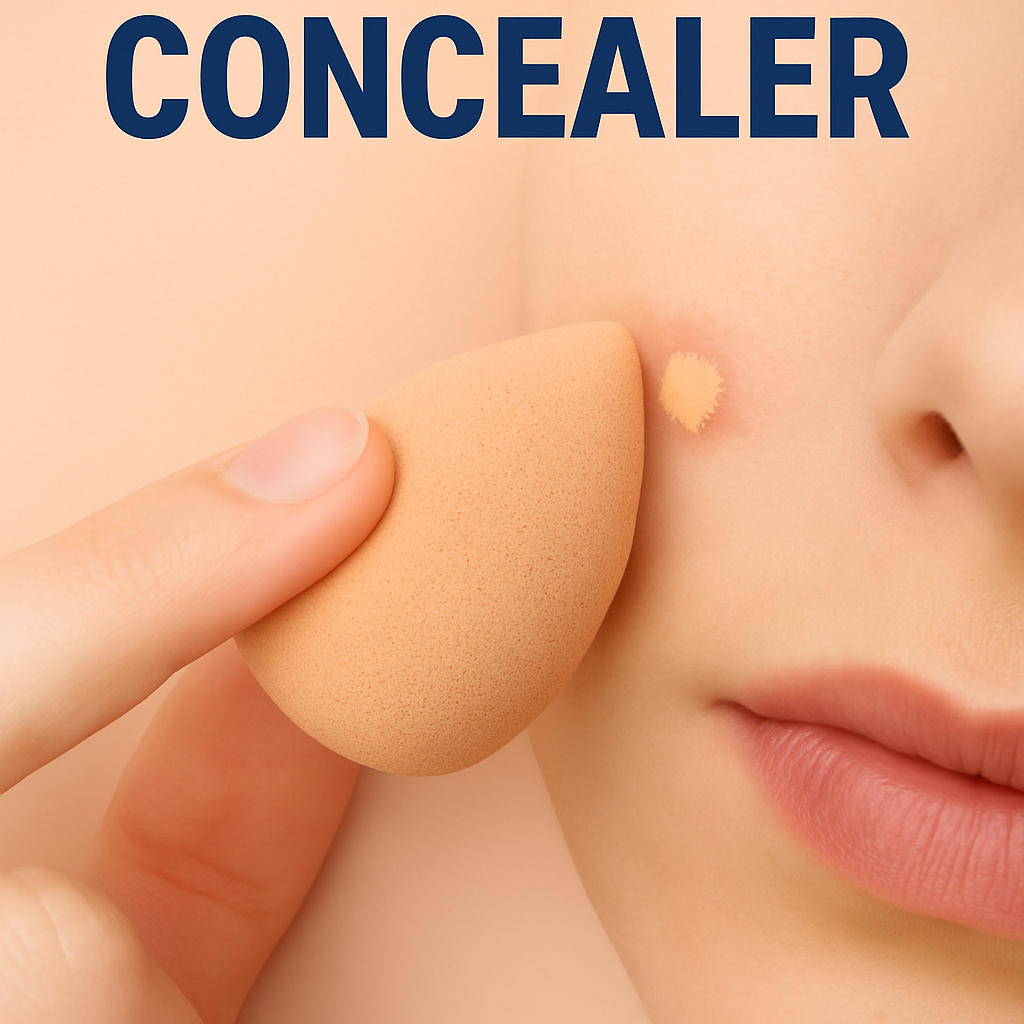
Pick a creamy, non-cakey concealer that blends easily. Use it to spot-conceal blemishes rather than piling on tons of foundation.
- Maybelline Fit Me Concealer
- NARS Soft Matte Complete Concealer – great for targeted coverage.
4. Powders
Powder helps control shine, but too much can look cakey and emphasize texture. Focus on your T-zone (forehead, nose, chin).
- Maybelline Fit Me Loose Finishing Powder
- bareMinerals Mineral Veil – soft, lightweight finishing powder.
5. Blush, Bronzer & Highlighter
For acne-prone skin, matte or satin finishes usually look smoother than chunky glitter. If you love glow, stick to a subtle, finely milled highlighter just on the high points of your face (cheekbones, nose bridge, brow bones).
How to Apply Makeup Without Causing Acne
Even if your products are perfect, how you apply them matters a lot for acne-prone skin.
1. Use clean tools
Sponges and brushes collect oil, dead skin, and bacteria. If they’re not washed regularly, they can spread that right back on your face and into your pores.
- Wash sponges every few uses (or daily if you can).
- Wash brushes at least once a week.
- Never share makeup tools with friends.
- EcoTools Makeup Brush Shampoo – gentle and easy to use.
- Real Techniques Miracle Complexion Sponge – blends foundation smoothly.
- Disposable Makeup Sponges/Wedges – great if you have active breakouts.
2. Less is more
Thick makeup doesn’t always equal better-looking makeup. Heavy layers can:
- Emphasize bumps and texture.
- Clog pores more easily.
- Look cakey by midday.
Try this instead: apply a thin layer of foundation, then spot-conceal only where you really want extra coverage.
3. Tap, don’t drag
Use tapping or bouncing motions with a sponge or your fingertip instead of rubbing. Dragging over pimples can irritate them and make redness worse.
4. Avoid fresh, open pimples
If you’ve just popped a pimple (ideally, try not to!), avoid putting makeup directly on top. It can trap bacteria and slow healing. Give the area some time to calm down, or use a pimple patch on no-makeup days.
Removing Makeup When You Have Acne
With makeup and acne, removal is everything. Sleeping in makeup is one of the fastest ways to trigger breakouts. Makeup + sweat + oil + bacteria sitting on your face overnight = clogged pores and angry pimples.
Double cleansing: the best method
Double cleansing just means using two steps:
Step 1: Melt the makeup off
Use micellar water or an oil-to-rinse cleanser to break down foundation, concealer, and sunscreen.
- Garnier SkinActive Micellar Cleansing Water (Oil-Free)
- CeraVe Comforting Oil Cleanser – rinses off clean.
Step 2: Cleanse your skin
Follow with your regular gentle cleanser (like the ones in the prep step) to remove leftover residue and truly clean your pores.
Why makeup wipes aren’t the best idea
Makeup wipes can feel quick, but they:
- Tug and rub your skin.
- Often leave a film behind.
- Don’t clean pores as well as a proper cleanse.
If you use wipes in a pinch, try to do a real cleanse as soon as you can.
Treating Acne When You Wear Makeup
After your makeup is off and your face is clean, that’s the perfect time to use acne treatments. This helps improve your skin under the makeup so you don’t feel like you need as much coverage over time.
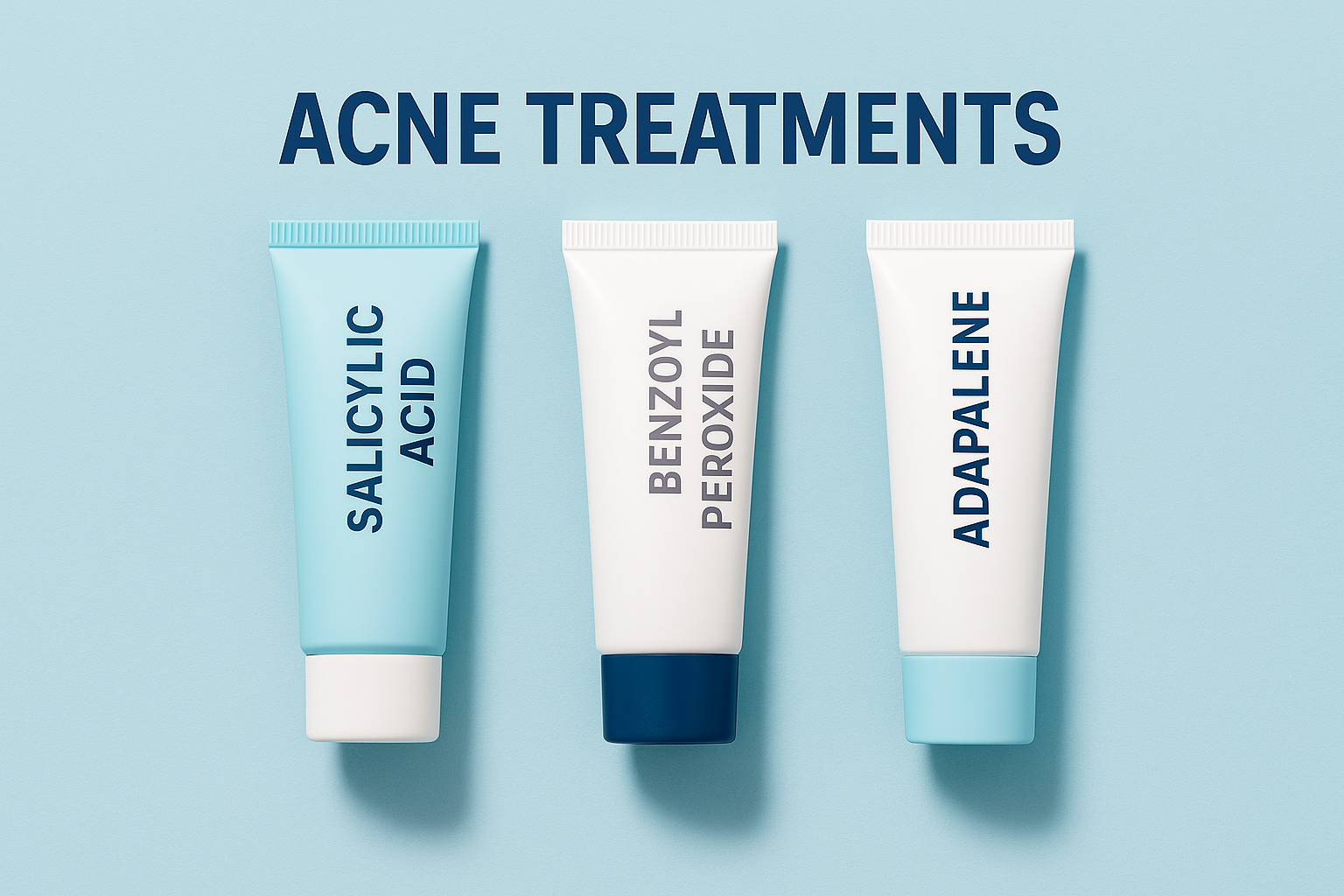
Helpful acne-fighting ingredients
- Salicylic acid (BHA): Helps unclog pores and reduce blackheads.
- Benzoyl peroxide: Targets acne-causing bacteria.
- Niacinamide: Calms redness and supports your skin barrier.
- Adapalene (OTC retinoid): Helps prevent new breakouts and improves texture (use at night).
- CeraVe Acne Control Gel (2% Salicylic Acid + Niacinamide)
- La Roche-Posay Effaclar Duo (Benzoyl Peroxide)
- Differin Gel (Adapalene 0.1%)
Always moisturize after using acne actives so your skin doesn’t get overly dry or irritated.
Note: If your acne is painful, scarring, or not improving, talk to a dermatologist or healthcare provider for personalized advice.
Makeup Hygiene Checklist
These small habits make a big difference in breakout control:
- Wash brushes at least once a week.
- Wash sponges every few uses (or daily if possible).
- Don’t share makeup or tools with friends.
- Replace foundation and concealer every 6–12 months.
- Replace mascara every 3 months.
- Don’t use makeup on broken or freshly picked pimples.
- Wash your hands before applying makeup.
- Store makeup in a cool, clean place, not in a hot, steamy bathroom.
Makeup and Acne for Photos, Dances & Sports
Different situations call for slightly different makeup strategies—especially if you’re dealing with acne.
School photos
- Use a matte or natural-finish foundation (avoid super dewy for flash photos).
- Conceal redness around the nose, chin, and any blemishes.
- Lightly powder the T-zone to prevent shine.
- Skip heavy glitter or super bright highlight; it can reflect oddly in photos.
Dances & special events
- Use a long-wear, non-comedogenic foundation.
- Set with a light dusting of powder where you get oily.
- Keep blotting papers or a clean tissue in your bag instead of piling on more powder.
- Remove your makeup as soon as you’re home, no matter how late it is.
Sports & sweaty activities
You can wear some makeup for sports, but keep it minimal and breathable:
- Try a tinted moisturizer or mineral powder rather than full-coverage foundation.
- Use waterproof mascara if you like, but avoid heavy eye looks that might smear.
- Always cleanse your face after practice or games.
Makeup and Acne Emergencies (Real-Life Teen Stuff)
“Help, I fell asleep with my makeup on!”
Don’t panic, but do give your skin some extra love the next day:
- As soon as you can, double cleanse (remove makeup, then wash with your regular cleanser).
- Use a gentle product with salicylic acid or niacinamide if your skin tolerates it.
- Moisturize and keep your routine simple—no harsh scrubs or over-exfoliating.
- Try to give your skin a makeup-free day if possible.
“My acne suddenly got way worse.”
Some possible reasons:
- New makeup product that doesn’t agree with your skin.
- Not washing tools often enough.
- Sleeping in makeup or not fully removing it.
- Hormonal changes, stress, or a busy schedule.
Go back to basics: gentle cleanse → simple moisturizer → acne treatment → non-comedogenic makeup in thin layers. If things keep getting worse, it’s a good idea to talk to a dermatologist.
Quick FAQs
Does makeup cause acne?
Not automatically. But using heavy, pore-clogging products or not removing makeup properly can definitely contribute to breakouts.
Is mineral makeup better for acne?
Often yes, especially powders. Mineral foundations are usually more breathable and gentler on sensitive or acne-prone skin.
Can I wear makeup every day if I have acne?
You can, as long as you choose non-comedogenic products, use light layers, and remove it completely every night.
Should I pop pimples before putting on makeup?
It’s best not to. Popping can push bacteria deeper into the skin, cause more redness, and increase the chance of scarring. If a pimple has already popped, keep the area clean and avoid heavy makeup on top.
What makeup is best for oily, acne-prone skin?
Look for oil-free, non-comedogenic foundations (liquid or powder) and set lightly with powder just where you need it (T-zone). Mineral powders are an especially good option.
Final Recap & Next Steps
To keep your skin as happy as possible while still enjoying makeup, remember:
- Prep with a gentle cleanser, lightweight moisturizer, and SPF in the morning.
- Choose non-comedogenic, oil-free, fragrance-free products whenever you can.
- Apply in thin layers and tap instead of dragging.
- Use clean tools (no sharing, regular washing).
- Remove your makeup fully every night with double cleansing.
- Use acne treatments at night and moisturize to protect your barrier.
- Give your skin a makeup-free day here and there to breathe.
Want help building an easy everyday routine that works with your makeup? Check these next:
- The Ultimate Teen Skincare Routine: 5 Steps to Clearer Skin
- Best Face Wash for 13 Year Olds (2025 Guide)